


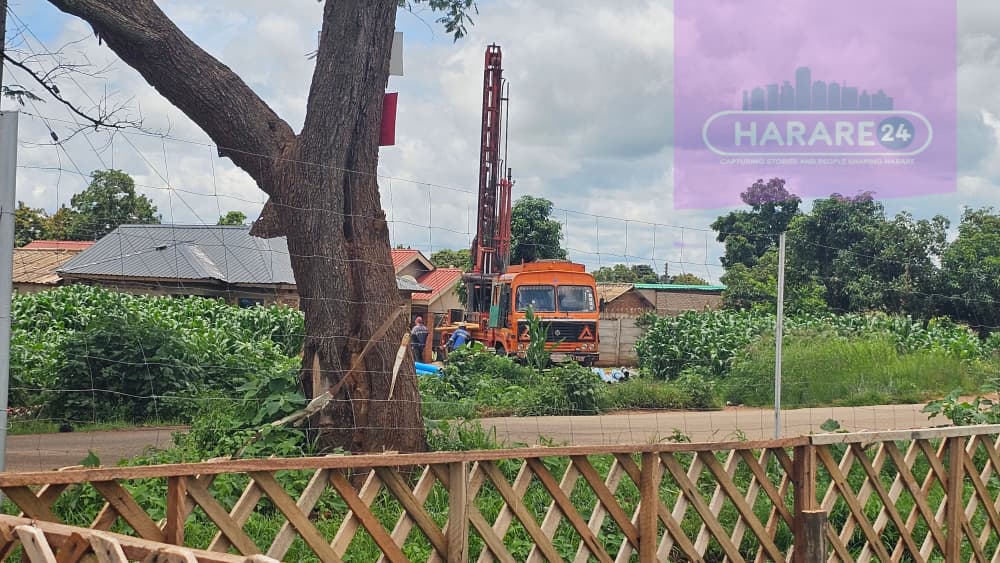
Harare, the capital city of Zimbabwe, is facing a water crisis. To address the shortage, many residents and businesses are turning to drilling boreholes as a quick fix. However, this solution comes with a host of negative effects that threaten the city’s long-term sustainability.
Drilling boreholes without proper regulation and management can lead to the depletion of groundwater resources. Harare’s aquifer is being over-extracted, causing water tables to drop, and reducing the availability of water for future generations.
Boreholes can contaminate groundwater if not properly constructed or maintained. In Harare, many boreholes are drilled without adequate sanitation facilities, risking the spread of waterborne diseases.
Unregulated borehole drilling can cause land subsidence, leading to structural damage to buildings and infrastructure.
Boreholes require energy to pump water, contributing to Zimbabwe’s energy challenges and increasing carbon emissions.
Boreholes often benefit those who can afford them, exacerbating existing social and economic inequalities in access to clean water.
The absence of effective regulation and enforcement means that borehole drilling is often unchecked, leading to these negative consequences.
The Harare City Council must prioritize sustainable water management practices, including regulating borehole drilling, investing in water conservation, and ensuring equitable access to clean water for all residents.