


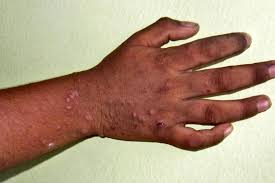
Harare is confronting a worrying spike in Hand, Foot, and Mouth Disease (HFMD), with the City of Harare reporting 501 confirmed cases. Local authorities are now urging parents and guardians to stay especially vigilant, as this viral infection largely affects children under the age of 10.
According to the City, most of the cases have been clustered in high-density suburbs such as Mabvuku, Mbare, Budiriro, and Waterfalls — areas where children are more likely to interact closely in homes, crèches, and schools. The virus presents a particular challenge, because even though HFMD is generally mild, its rapid spread in vulnerable, crowded communities raises the risk of dehydration and secondary infection among young children.
HFMD is caused by enteroviruses and is highly contagious. Transmission can happen in multiple ways: through respiratory droplets when an infected person coughs or sneezes; by direct contact with the fluid inside the blisters; via saliva; and even through contact with fecal matter if hygiene is poor. This mode of spread makes shared environments — like classrooms, daycare centres, and play areas — especially precarious.
Children infected with HFMD tend to exhibit a distinct set of symptoms:
- A fever that usually shows up early on
- Sore throat and difficulty swallowing, which can make eating uncomfortable
- Painful blisters or ulcers, typically on the palms of the hands, the soles of the feet, and inside the mouth, including the tongue and cheeks
- A loss of appetite and general irritability, especially in very young children
These symptoms often begin 3–7 days after infection, and the illness usually runs its course within 7–10 days. During the first week, children are most contagious, making early detection and isolation important.
Because there’s no specific antiviral treatment or approved vaccine for HFMD, treatment focuses on relieving symptoms. Caregivers are advised to:
- Use pain and fever relievers such as acetaminophen or ibuprofen (always following dosage instructions for children)
- Encourage frequent fluid intake, which helps prevent dehydration
- Offer soft or bland foods to reduce discomfort from mouth sores
- Make sure the child rests and doesn’t overexert themselves
Hygiene is central to managing the outbreak. Families and schools are being encouraged to:
- Wash hands thoroughly and often (especially after using the toilet or changing diapers)
- Disinfect communal surfaces, toys, and shared items like stationery
- Discourage sharing of utensils, cups, towels, toothbrushes, or other materials that can carry the virus
- Keep children who are symptomatic at home until they recover
Although HFMD is usually self-limiting, complications can arise. Parents should watch for signs such as dehydration (reduced urine, dry mouth), or bacterial infection if blisters become inflamed or ooze. In such cases, medical attention is required.
Public health officials in Harare stress that while the situation is serious, there is no need to panic. HFMD outbreaks among children are relatively common, and most children recover without long-term issues. However, given the high number of cases and the concentrated spread in specific suburbs, the city’s call for increased vigilance is timely.
In the broader context, health authorities elsewhere (such as in South Africa) are also grappling with HFMD surges. According to the National Institute for Communicable Diseases (NICD), good hygiene practices remain one of the most effective ways to contain the disease.