


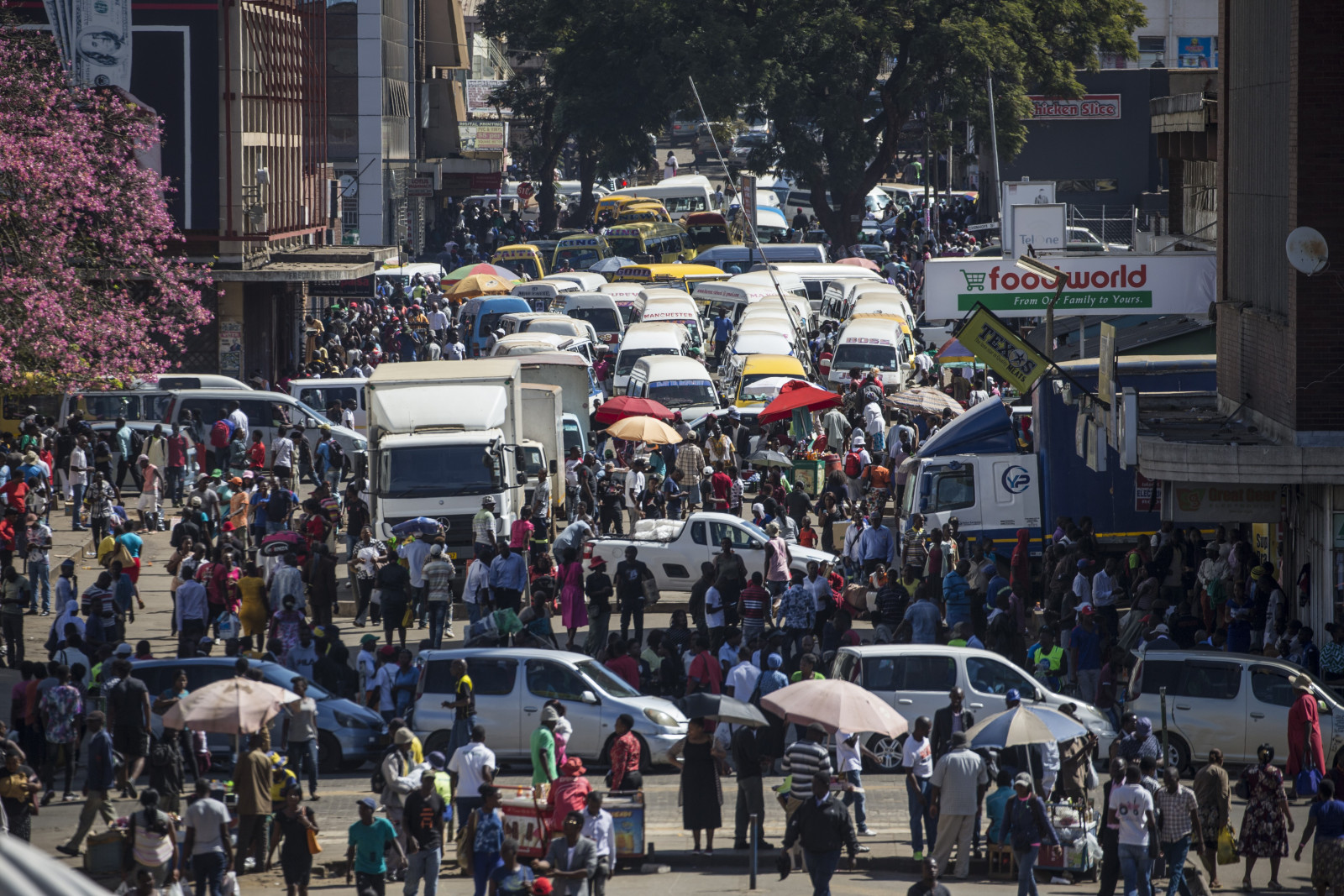
At 5:15am, before the sky turns blue, Rudo wakes to the familiar growl of a neighbour’s generator. In Harare, that sound isn’t an inconvenience — it’s a reminder that the day has already started without you.
She rushes to the road to catch a kombi before the queues stretch. By 6am the city is fully awake: hooting Honda Fits, vendors shouting prices, loud music from passing cars, and commuters arguing about fares. Harare’s noise doesn’t just fill the streets; it follows you, settles on you, wears you down.
Rudo teaches at a government school. By the time her first lesson begins, she has already spent hours navigating a city that demands constant alertness. She raises her voice above construction noise and restless students, feeling the pressure build in ways she can’t quite name.
At lunch she scrolls through her phone — rising prices, power cuts, urgent WhatsApp pleas, someone selling cooking oil “cheap-cheap.” The stress isn’t only in the air; it’s in the updates, the group chats, the economy.
But like many in Harare, Rudo pushes through. People joke at kombi ranks, share food at work, cheer when the lights finally return. The city may be loud, chaotic and unforgiving, but it’s also held together by small acts of endurance.
When Rudo gets home, the generator still drones. Children shout in the street. A neighbour argues with a plumber. She exhales — the first real breath of the day — and prepares to start again tomorrow.
Harare’s noise is more than sound. It’s the story of survival in a city that never quite settles, yet somehow keeps everyone moving.