


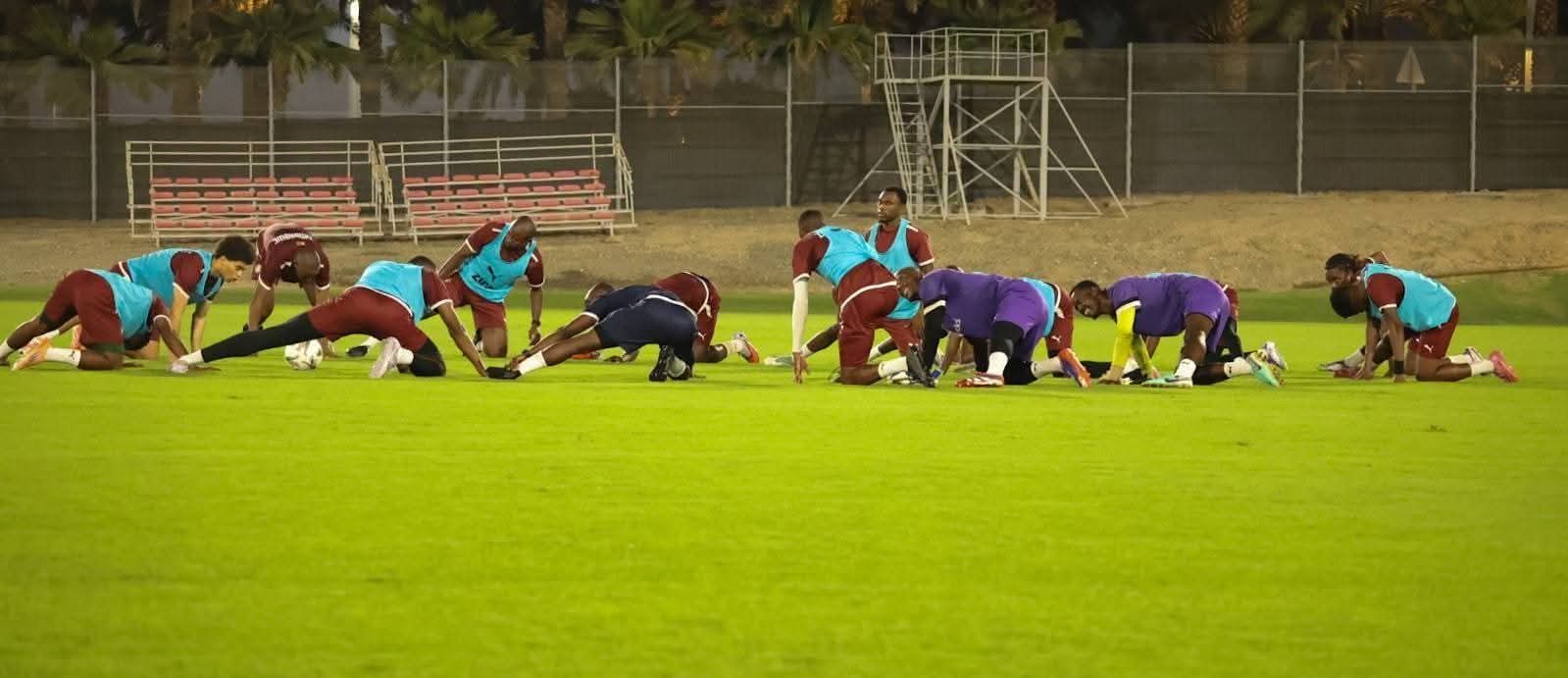
The Zimbabwe national football team is facing a serious internal crisis, with allegations of racism, verbal abuse and growing tension between players and head coach Marian “Mario” Marinica. According to various media sources and insiders close to the camp, the situation in Saudi Arabia — where the Warriors were preparing and training ahead of their recent friendly match against Algeria — has deteriorated sharply, prompting government attention and player walkouts.
Reports indicate that senior players wrote a formal letter of complaint accusing Marinica of making racially offensive and demeaning remarks during training sessions, both before and after the 3–1 loss to Algeria. The most serious allegation is that the Romanian coach allegedly used the word “monkey” more than once when addressing players. The complaint letter is said to have been submitted to ZIFA and copied to other authorities, with sources claiming that government officials have been made aware of the matter and are monitoring developments.
In addition to the racism allegations, several players and staff members reportedly listed other grievances, including insults relating to players’ physical appearance, size and performance. Some insiders claim Marinica openly belittled individuals during training, creating an atmosphere described as “hostile and unbearable”. Media outlets reporting on the turmoil say that some senior players felt humiliated in front of teammates, leading to a total breakdown of trust between sections of the squad and the coach.
The tension reportedly reached a tipping point when players Tawanda Chirewa and Tawanda Maswanhise left the camp shortly after the Algeria match. Sources indicate that the two were frustrated by the environment and the coach’s handling of the team. While ZIFA issued statements suggesting that Chirewa’s departure was pre-arranged with his English Premier League club, insiders insist the situation was far more complicated, and that the exit was linked to the broader unrest within the camp.
The coach’s management style has become a major talking point among players and analysts. Various reports suggest that Marinica’s approach has intensified divisions in the squad rather than uniting it, with some players feeling singled out and disrespected. Despite this, ZIFA has continued to defend the coach publicly, insisting there is no friction between him and the team and characterising the allegations as exaggerated or misrepresented. The football association has argued that the coach was appointed based on technical competence and should be given space to implement his vision for the national team.
Marinica himself has previously stated that Zimbabwe has been held back by negative tactical philosophies and that he intends to push the Warriors toward a more aggressive and efficient style of play. However, the growing discontent within the squad suggests that his message may not be resonating, and critics argue that his leadership is already proving counterproductive.
Observers note that the timing of this crisis is particularly problematic, as Zimbabwe is preparing for crucial international fixtures and broader rebuilding after years of instability in the football administration. If tensions continue unchecked, there are fears that more players could withdraw from national duty or refuse to work under Marinica, forcing ZIFA to choose between backing their coach or preserving team unity.
For now, the Warriors camp remains divided, and the situation continues to unfold. More details are expected to emerge as officials, players and football authorities move to address what insiders describe as one of the most serious internal conflicts to hit the national team in recent years.