


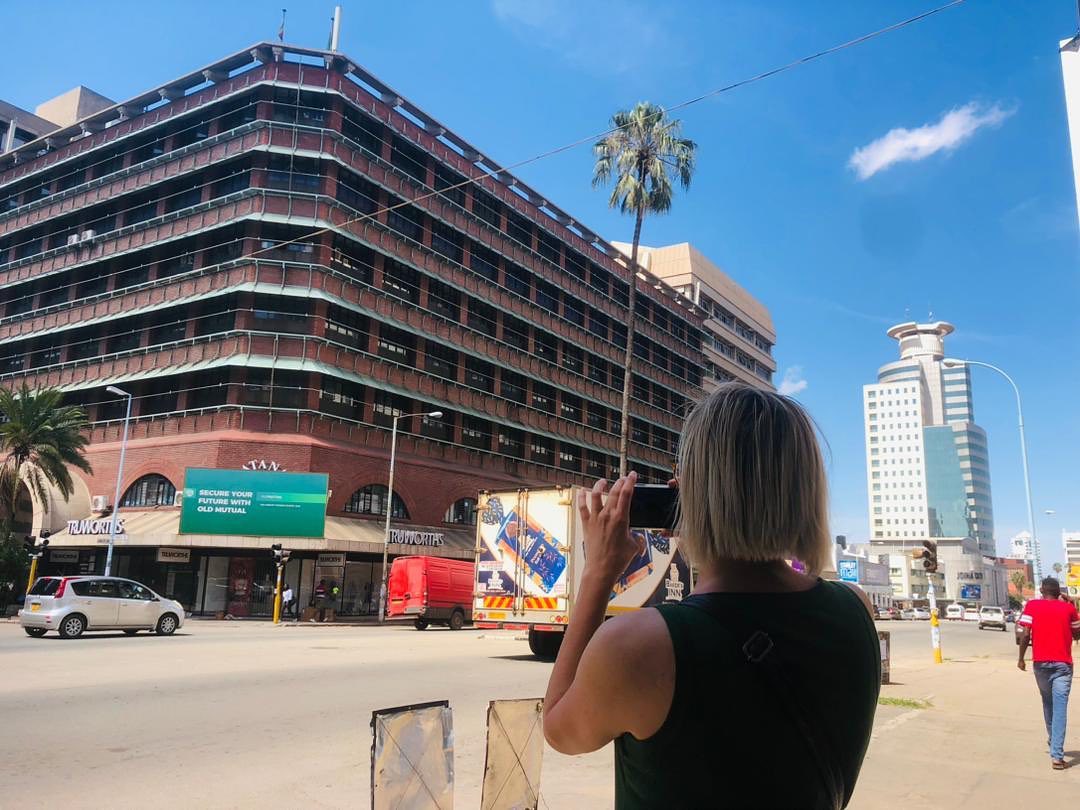
There’s something almost theatrical about Harare on a bonus weekend. The city doesn’t just wake up — it stretches, poses, and announces, “Ladies and gentlemen, I am open for business!”
By mid-morning, First Street feels like a catwalk for ordinary people doing extraordinary things with their newly found dollars. Shoppers glide through town with the confidence of people who temporarily believe in economic miracles, clutching plastic bags like trophies. For a moment, the harshness of the month softens. People smile more. Vendors call out with extra charm. Even the sun seems brighter.
Every corner becomes a story. A mother negotiating the price of school shoes with the determination of a diplomat. A teenage boy convincing his friends that the sneakers he just bought are “Italian original.” A couple debating loudly and lovingly about whether the money should go to groceries or a weekend braai — a conversation older than the city itself.
Then there are the hustlers, Harare’s unofficial social workers. They thrive during bonus weekend, turning pavements into pop-up malls stocked with everything from socks to self-confidence. They have jokes for every customer, discounts for those who pretend to walk away, and theories about life that should be published in books. Their energy is electric — half survival, half theatre.
Somewhere in the crowd, moving with the arrogance of people who believe the world owes them a living, are the pickpockets. They blend in like shadows with ambition. You won’t see them, but they see you — especially if your phone is sticking out like an invitation. Harare folklore says they train all year for this one weekend of gold.
Across the city, ATM queues curve like patient snakes, filled with people who came for cash but stayed for the conversation. Strangers become temporary cousins, swapping stories about work, school fees, and that one relative who always remembers you when you’ve been paid.
And of course, nowhere is the bonus weekend spirit louder than in the kombi ranks. Drivers have a sixth sense for when people have money, and prices rise like hope on New Year’s Day. But no one really fights it. It’s part of the ritual.
What makes bonus weekend special isn’t the money — it’s the mood. The unspoken agreement that for these few days, Harare can pretend to be the city we want it to be: bustling, generous, alive. A city where you can overhear a father telling his daughter, “Pick the dress you want today,” and a vendor saying, “mbasera next time, murungu!” A city where people pause long enough to enjoy the illusion of abundance.
As evening falls and the city lights flicker on, the buzz softens into a gentle hum. Families head home with groceries, bargains, and stories. The hustle slows. The pickpockets retreat. Even the kombi drivers mellow — slightly.
Bonus weekend in Harare is not a holiday. It’s a feeling. A small, sweet rebellion against reality. A reminder that despite everything, this city can still glow.
And for a brief, beautiful moment, we all glow with it.