


In a tough economy where food prices continue to rise, many Zimbabweans assume that eating healthy is a luxury. But nutritionists continue to emphasise that a balanced diet is still achievable on a tight budget and Zimbabwe’s markets, rural supply chains, and traditional food culture offer a wide range of nutrient-dense, low-cost foods that can keep families healthy without breaking the bank.
Healthy eating is not about imported products or expensive supermarket shelves. It’s about understanding the value of local foods, seasonal produce, and traditional meals that have sustained communities for generations. Below are 10 surprisingly affordable foods and meals in Zimbabwe that deliver excellent nutrition, offering protein, vitamins, fibre, and energy for daily living.
1. Muriwo (Leafy Greens such as Covo, Rape & Tsunga)
Packed with iron, vitamins A & C, fibre, and antioxidants, Zimbabwean leafy greens remain some of the cheapest and most nutritious foods. A single bunch can feed an entire family and costs far less than imported vegetables.
2. Maputi (Air-Popped Maize)
Street maputi is not just a snack it’s a whole-grain food rich in fibre and energy. When eaten in moderation, maputi helps with digestion and keeps you full longer, making it one of the most budget-friendly healthy snacks in the country.
3. Boiled Sweet Potatoes (Mbambaira)
Sweet potatoes are high in potassium, fibre, vitamin A, and slow-release carbohydrates. They make an excellent breakfast, lunch, or snack and are often far cheaper than bread.
4. Groundnuts (Nzungu) & Peanut Butter
A handful of groundnuts provides protein, healthy fats, and essential minerals. Locally made peanut butter (dovi) is affordable and versatile — perfect for vegetables, porridge, or even bread.
5. Nyimo / Round Nuts
Nyimo are a powerhouse food: rich in protein, fibre, iron, and energy. Whether boiled or roasted, they make a filling and nutritious meal that costs much less than animal protein.
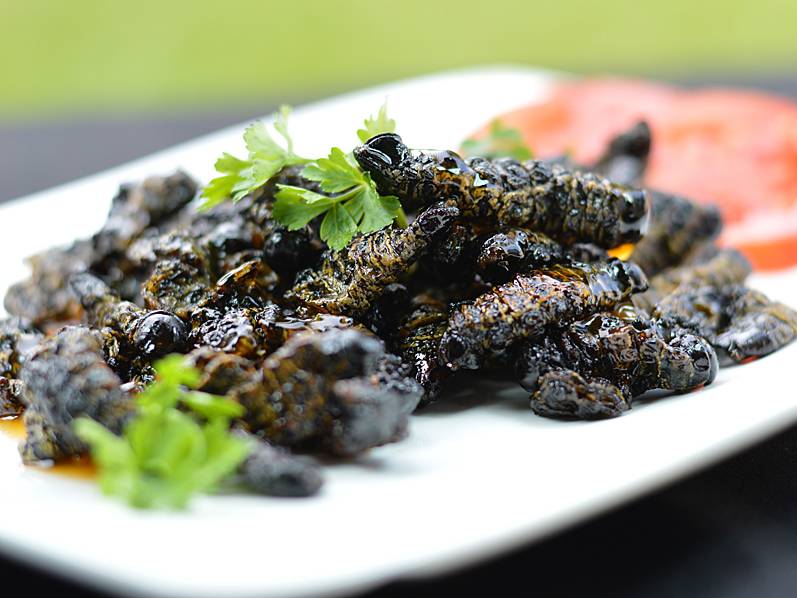
6. Mopani Worms (Madora / Macimbi)
Mopani worms are one of Zimbabwe’s most affordable superfoods — incredibly rich in protein, iron, healthy fats, and essential minerals. A small handful provides more protein than beef, making them a powerful, low-cost option for building muscle, boosting immunity, and preventing fatigue. Whether dried or cooked in tomato sauce, madora remain one of the most nutrient-dense traditional foods in the country.
7. Beans (Nyemba) & Lentils
Beans are one of the cheapest sources of plant protein in Zimbabwe. They are high in fibre, iron, and slow-release energy — excellent for children, adults, and elders alike.
8. Fresh Seasonal Fruits (Bananas, Oranges, Avocados)
Fruit prices rise and fall depending on season and region, but local produce remains far cheaper than imported items. Bananas, for example, offer potassium and energy, while avocados provide healthy fats and vitamins.
9. Matemba (Dried Kapenta)
Small fish like matemba are rich in protein, calcium, omega-3 fats, and B-vitamins. A small handful added to vegetables instantly boosts nutrition at a fraction of the cost of beef or chicken.
10. Pumpkin Leaves (Muboora) & Pumpkin
Muboora with peanut butter is one of the most nutrient-dense traditional meals — high in vitamins, minerals, fibre, and protein (from the peanut butter). Pumpkins themselves provide vitamin A and complex carbohydrates when in season.
Why These Foods Matter
Zimbabwe’s traditional foods remain some of the most affordable and nutritious options for low-income families. They support:
⭐ Better immunity
⭐ Improved energy levels
⭐ Healthy digestion
⭐ Stable blood sugar
⭐ Child growth and brain development
While modern eating habits often push people towards processed foods, the truth is that Zimbabwe’s healthiest foods are the ones we’ve always known they just need to be prepared thoughtfully and paired smartly.
In 2025, as households continue to navigate rising food costs, it’s more important than ever to turn to locally available foods that offer maximum nutritional value. Eating healthy is not about being wealthy; it’s about making informed choices, embracing local produce, and rediscovering meals that have nourished generations.