


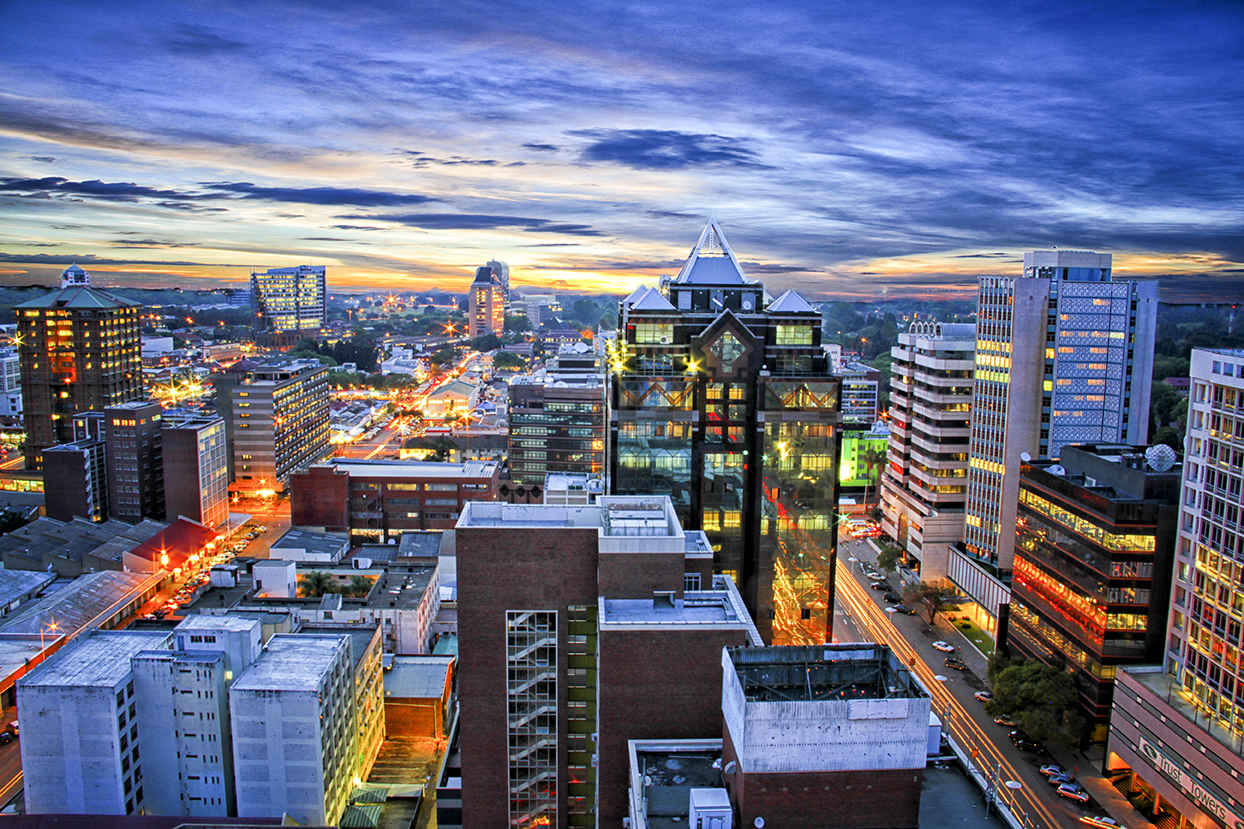
Harare has always been a city of contradictions, but nowhere is the divide sharper than along Samora Machel Avenue — the capital’s psychological equator and the fault line between two very different realities.
North of Samora is where Harare presents its glossy brochure to the world. It is curated affluence, manicured ambition, and architectural self-confidence. Sam Levy’s Village remains the undisputed symbol — polished cobblestones, spotless parking bays, and boutiques that smell like foreign currency. Paddington Square adds the latte-and-laptop sophistication, while Greenfields is the newest declaration that the city can, when it wants to, imitate the Johannesburg dream.
Here, the streets work. The lighting behaves. Even the dogs look well moisturised. It’s Harare as we wish it could be.
South of Samora, however, is Harare as most people live it. A sprawling, pulsating, high-density world of hustle and improvisation. Potholes rearrange themselves overnight, commuter ranks overflow with impatience, and houses pack together like congregants seeking warmth. It is loud, it is gritty, it is alive.
Where the north is polished, the south is practised — a daily choreography of survival and ingenuity. This is the beating heart of the city; the place that feeds its workforce, its culture, and its resilience.
And then there is the CBD, now the exhausted middle child caught between the two. Once the proud commercial core, it has sagged into decay: broken pavements, flickering lights, ghostly office blocks turned into makeshift markets, and pavements overrun by unregulated traffic. The skyline is still impressive — until you walk at street level. The CBD feels like a city stuck in mid-sentence, waiting for someone to finish the thought.
Together, these three Harare’s — the glossy north, the gritty south, and the decaying centre — tell the story of a capital city negotiating its identity. A place of ambition and abandonment, success and survival, polish and potholes.
Harare doesn’t just have two sides; it has two futures. And depending on which side of Samora you stand, that future looks either promising or perilous — but always unmistakably Harare.