


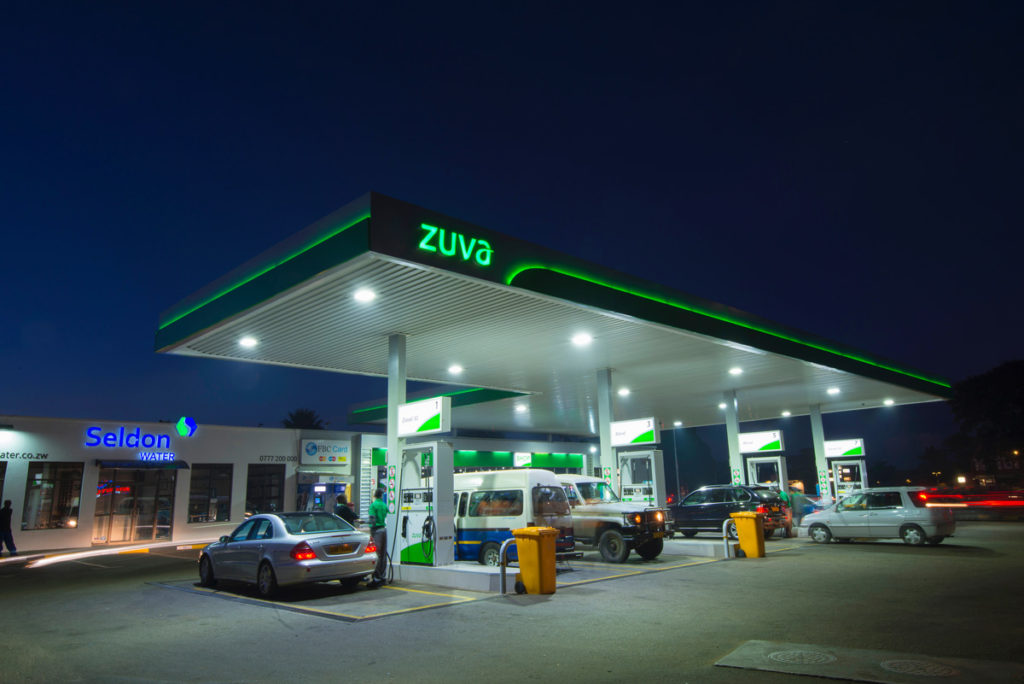
If you’ve driven around Harare lately, you’ve probably noticed something odd — service stations are popping up faster than potholes. One here, one there, one across the road from the other. It’s almost as if every corner has decided, “You know what we need? Another fuel station!”
But why the sudden obsession with petrol pumps in a country where fuel prices are sky-high and traffic jams are more about kombis than new cars?
Let’s unpack it.
1. Fuel, Yes — But Mostly Property
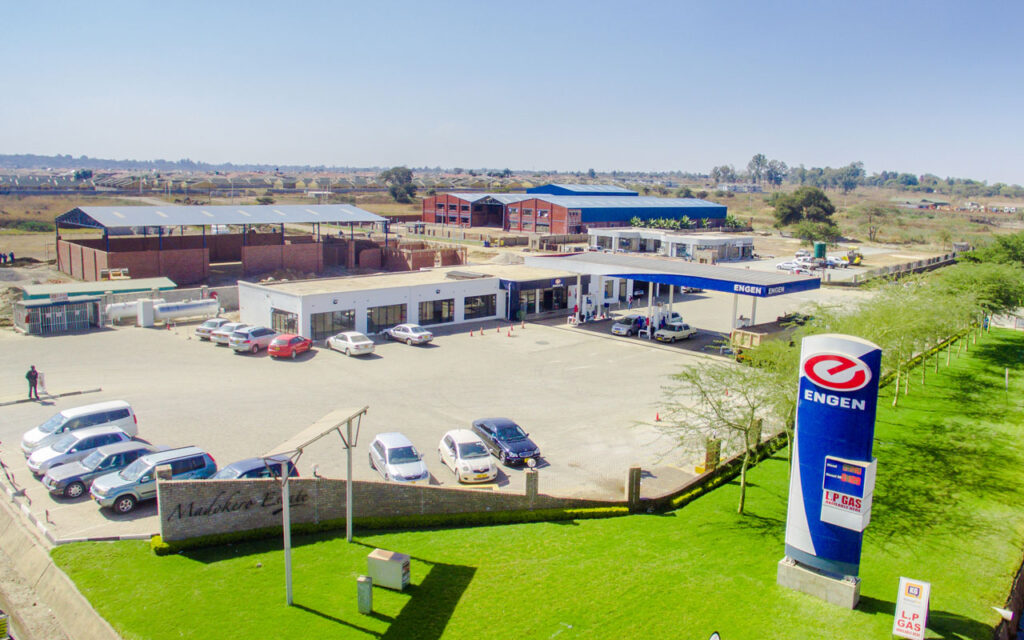
Believe it or not, most of these shiny new service stations aren’t really about fuel. They’re investment projects. In Zimbabwe’s unpredictable economy, people with money are parking it in concrete. A service station isn’t just a business — it’s a statement. Big land, visible branding, and a USD cashflow — what’s not to love?
2. The US Dollar Effect
With most stations now selling in US dollars, the math suddenly makes sense. Fuel is expensive, yes, but it’s one of the few sectors where cash flows daily — and in hard currency. For those who can import directly or access fuel in bulk, it’s a steady, profitable game.
3. Planning? What Planning?
Urban planners must be tired. Because let’s be honest — some of these stations seem to appear overnight. One week it’s a small grocery or empty lot, the next it’s a gleaming forecourt with a canopy so bright it could signal planes at Charles Prince. The paperwork trail? Often “under review.”
4. Not Just Fuel — Lifestyle Hubs
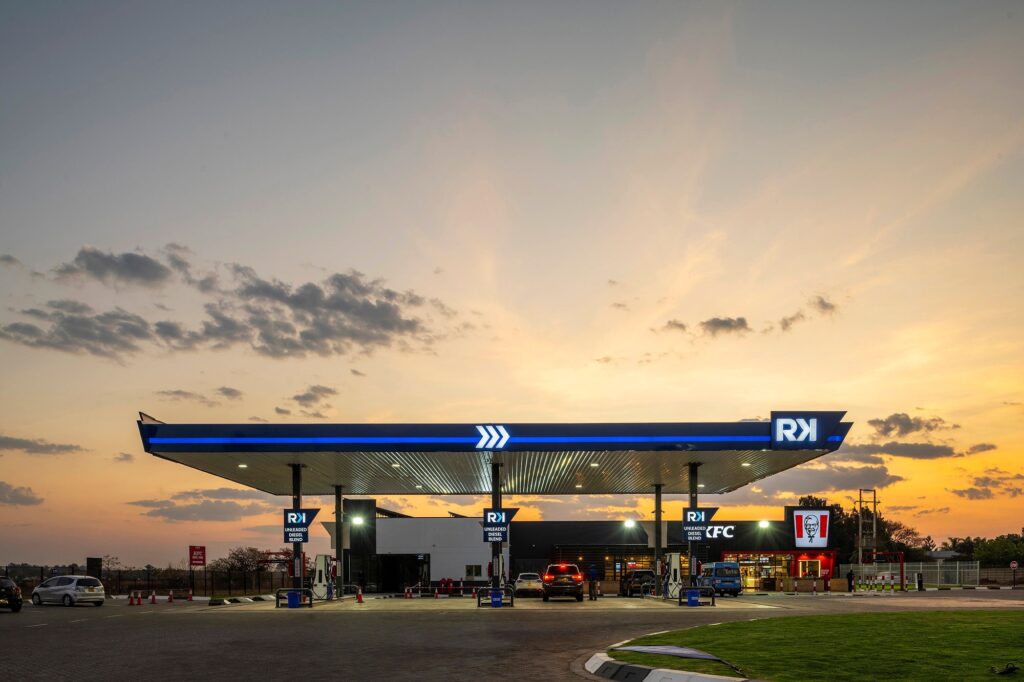
Modern fuel stations in Harare have evolved. They now come with a mini-mart, car wash, takeaway, and pharmacy — all squeezed into one spot. Some even have better Wi-Fi than your home. It’s less “fuel stop” and more “urban convenience lounge.”
5. Status, Not Just Supply
And let’s not forget — owning a service station is now a bit of a status symbol. It says, “I’ve arrived.” Whether the tanks are full or dry doesn’t matter as much as the gleaming forecourt and big brand name.
The Irony
The real kicker? Even with all these new stations, fuel shortages still hit us from time to time. We’ve somehow managed to build more pumps than petrol. It’s the Harare way — growth, but not always logic.
So next time you see another service station being built across from an existing one, smile and remember: in Harare, fuel stations aren’t just about cars — they’re about confidence, currency, and concrete.