


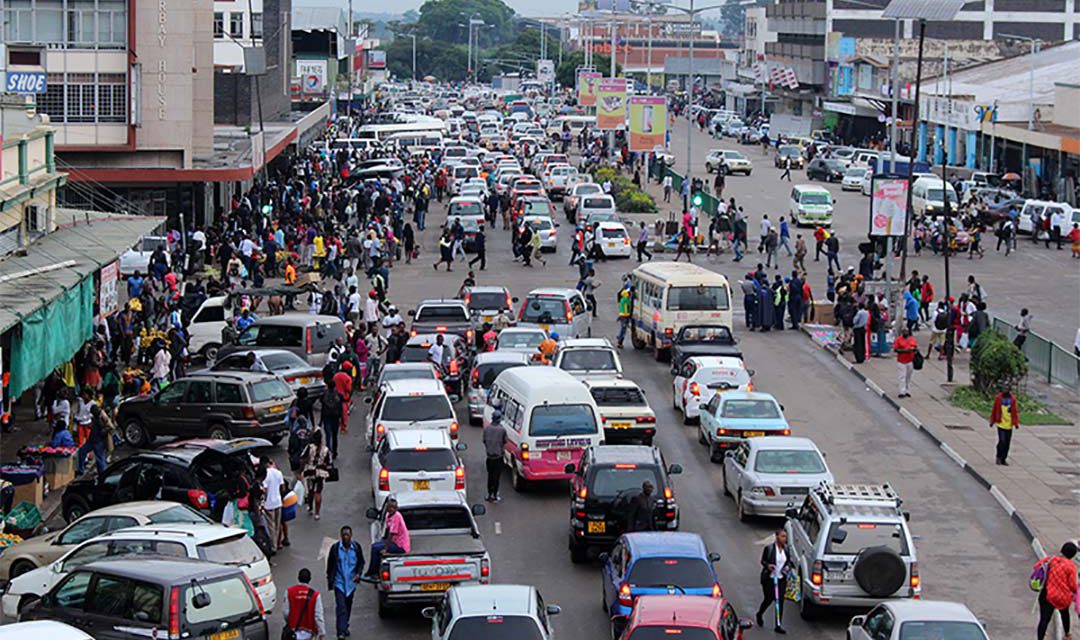
Walk through by Harare CBD at 10am and you’ll feel like you’ve stumbled into Africa’s busiest square mile. Pavements packed. Queues everywhere. People moving with purpose, urgency, and that classic “I’ve got things to do” face.
But here’s the punchline:
Almost nobody has an actual job.
Harare has become a masterpiece of economic illusion — a city that looks employed because everyone is perpetually in motion. It’s not productivity; it’s survival cardio.
Those crowds are not workers on their way to offices. They’re the country’s largest ever informal workforce, created not by policy but by necessity. Every corner is a department:
The Pavement Retail Division
The Foreign Currency & Negotiations Unit
The “Boss, I have just what you need” Mobile Supply Chain
The Department of Unsolicited Licences and Services
The HR Office of Side-Hustles, where the only requirement is “Are you breathing? Great, you’re hired.”
Harare is a city where everyone has a job description, but very few have a payslip.
And the catch?
We’ve normalised an economy where:
everyone is working, but no one is winning.
Income exists, but stability doesn’t.
Money circulates, but it never accumulates.
People grind all day, only to end up exactly where they started — at the same rank in the same hustle.
The CBD’s energy doesn’t come from growth. It comes from pressure — the pressure to eat, to send money home, to stay afloat in a system that offers hustle as the only safety net.
Harare is full of people, not opportunities.
Full of effort, not employment.
Full of hustle, not hope.
A bustling city that runs not on jobs, but on bravery disguised as commerce.