


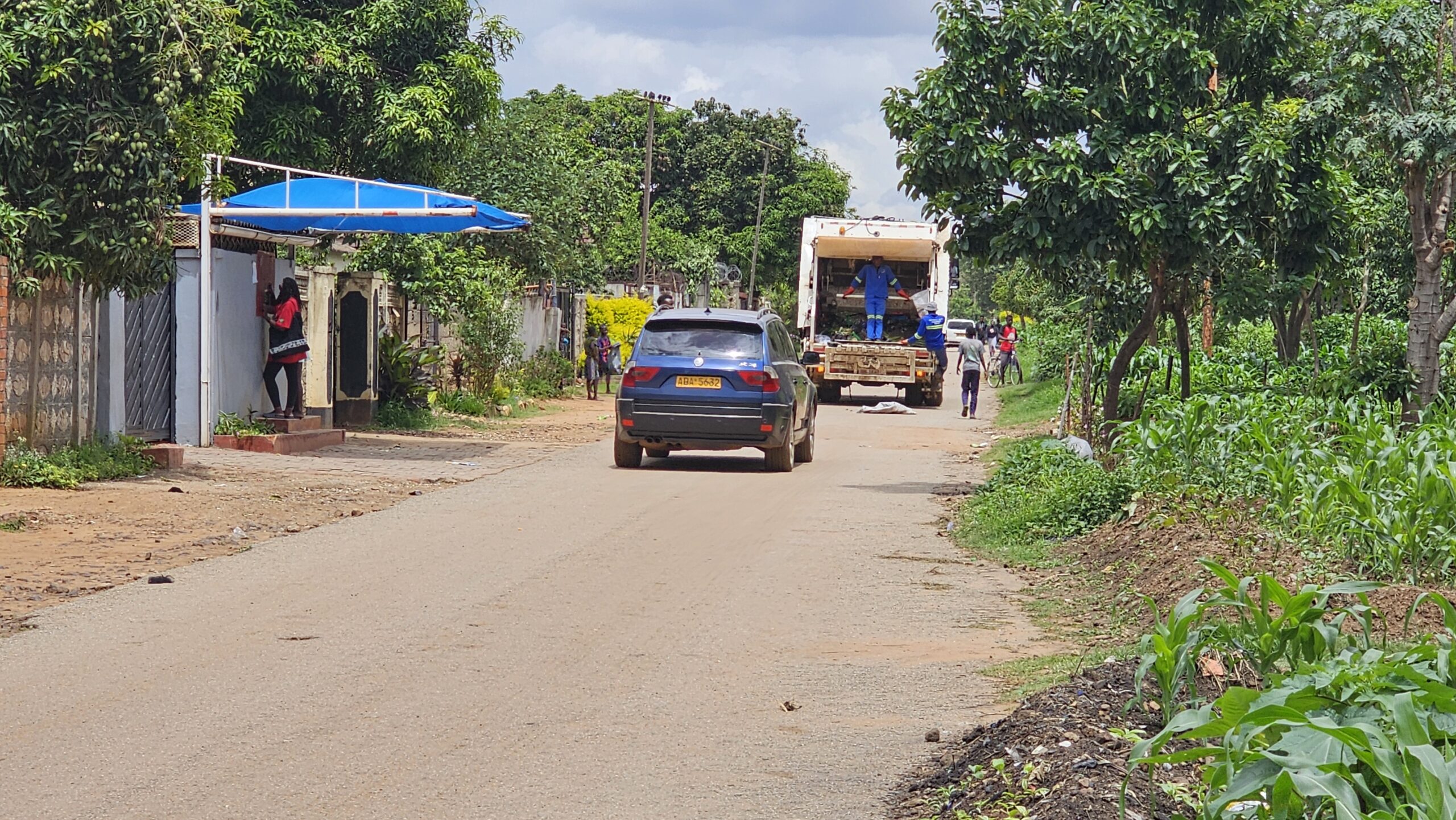
Harare — GeoPomona Waste Management has significantly expanded its operations in Harare, moving beyond central business districts and low-density areas to actively collect refuse in high-density suburbs, while also installing skip bins at strategic points across the city in a bid to tackle the capital’s long-standing waste crisis.
Residents in high-density areas such as Mbare, Highfield, Glen View, Kuwadzana, Dzivarasekwa, Budiriro and Mabvuku have in recent weeks reported increased visibility of GeoPomona refuse collection trucks, marking a notable shift from years of irregular or non-existent waste removal services.
The deployment comes amid growing public health concerns over illegal dumping, blocked drainage systems, recurring cholera outbreaks, and overflowing refuse heaps, particularly in densely populated communities.
Skip Bins Rolled Out Citywide
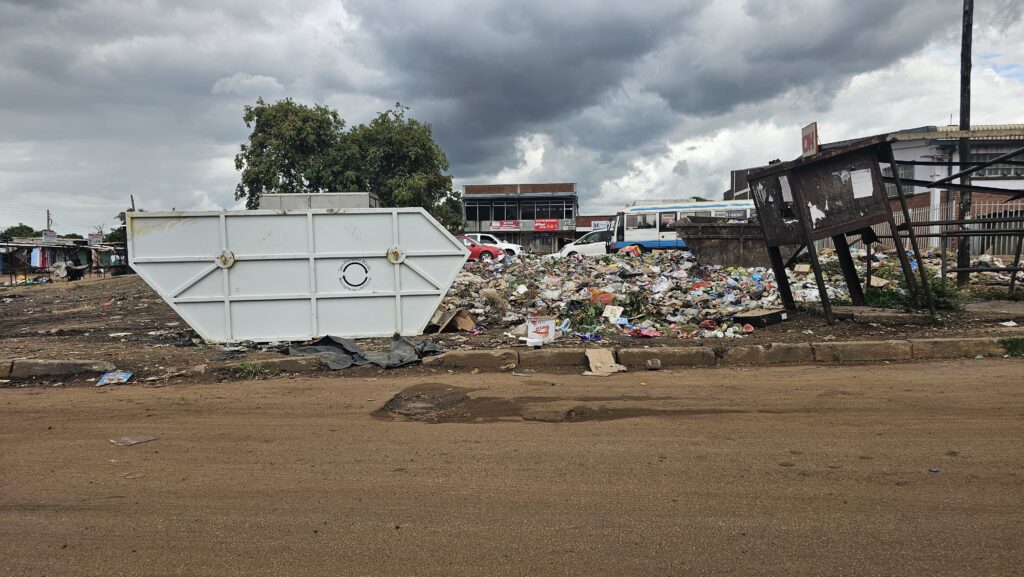
In addition to door-to-door refuse collection, GeoPomona has begun installing large skip bins in busy residential and commercial zones, providing residents and vendors with designated disposal points. City officials say the skips are meant to reduce roadside dumping and promote cleaner neighbourhoods.
The bins are being placed at markets, shopping centres, transport hubs and residential hotspots, with collection schedules designed to prevent overflows — a persistent problem with previous waste systems.
Public–Private Partnership in Action
GeoPomona operates under a public–private partnership (PPP) with the City of Harare, which aims to modernise waste management through improved logistics, landfill rehabilitation, and structured refuse collection.
Company representatives say extending services to high-density suburbs was a deliberate priority, acknowledging that waste challenges are most severe where population density is highest.
“A clean city cannot be selective,” a city official said. “Waste management must work for everyone — especially in high-density communities.”
Mixed Reactions From Residents
While many residents have welcomed the development, others remain cautious, saying consistency will be the true test.
“We’ve seen trucks before that disappear after a few weeks,” said a Glen View resident. “If they keep coming and the skips are emptied on time, this will really help.”
Environmental groups have also urged authorities to complement refuse collection with public education, enforcement against illegal dumping, and recycling initiatives to ensure long-term impact.
Towards a Cleaner Harare
If sustained, the expanded GeoPomona operations could mark a turning point in Harare’s battle with refuse, shifting the city away from emergency clean-ups toward structured, predictable waste management.
For now, trucks are rolling, skips are being installed, and expectations are rising — with residents watching closely to see whether this effort delivers lasting change or becomes another short-lived intervention in the capital’s struggle to stay clean.