


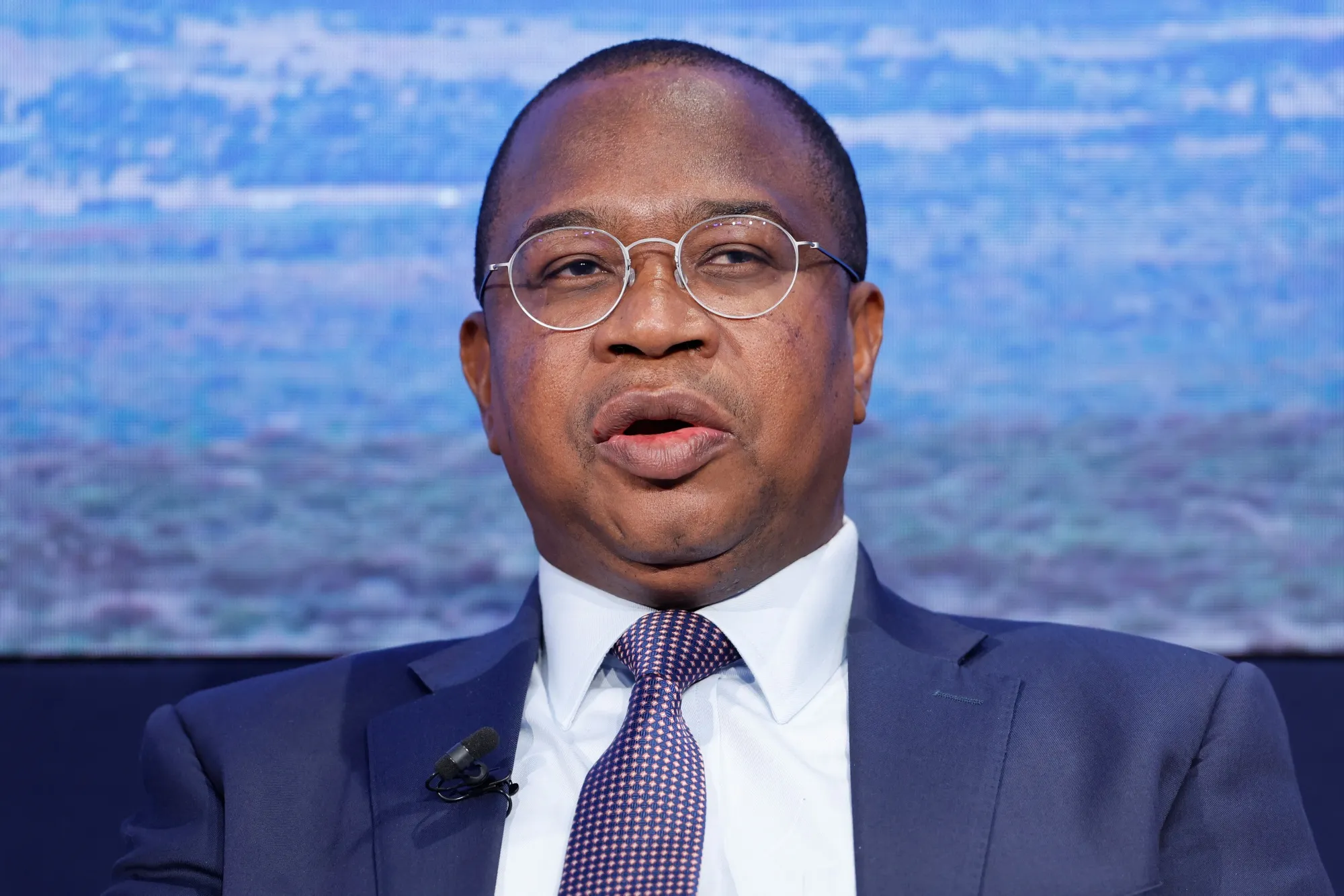
Finance Minister Professor Mthuli Ncube presented a budget that balances modest tax adjustments with a push for more revenue from the mining sector. The Inter‑Ministerial Tax Transfer (IMTT) was cut from 2 % to 1.5 %, while Value‑Added Tax (VAT) rose from 14 % to 14.5 %. The net effect is a near‑neutral impact on households and businesses.
Key economic outlook points:
– *Growth:* GDP expected to expand 5 % in 2026, down from 6 % in 2025.
– *Current account:* Projected to reach US $1.4 billion, up from US $1.3 billion in 2025, driven by stronger exports and diaspora remittances.
– *Fiscal balance:* Revenue of ZiG 215.7 billion (US $7.96 bn) versus spending of ZiG 219.46 billion (US $8.10 bn), leaving a deficit of ZiG 3.8 billion (‑0.3 % of GDP).
A major policy shift targets gold mining. The minister proposed a sliding‑scale royalty that could double the current flat 5 % rate to about 10 % at today’s prices, making Zimbabwe’s gold levy the highest regionally. While the move is set to boost government coffers, industry groups warn it may dampen investment and push some production into the informal sector unless paired with supportive measures.
Health and education remain top priorities. The budget allocates ZiG 30.4 billion to health (over 15 % of total spending) and ZiG 47.4 billion to primary and secondary education, underscoring the government’s commitment to human‑capital development amid a tightening fiscal environment