


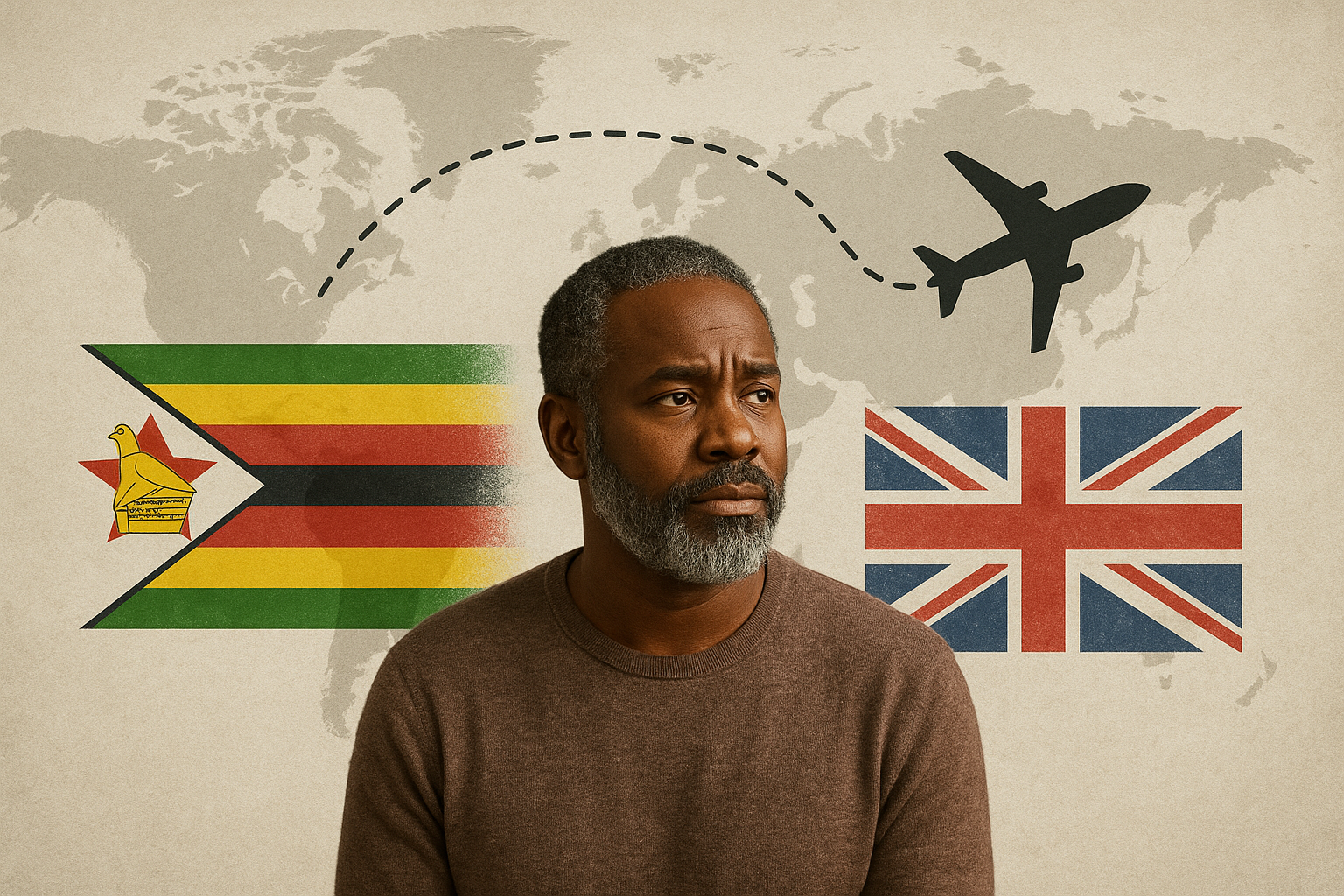
Returning to Zimbabwe after spending time in the UK, U.S., Australia, Dubai, South Africa, or even aboard a cruise ship can be both exciting and challenging. The country you left is not exactly the same—and you are not exactly the same either. Here are 10 key things to think about, to make your reintegration smoother and more fulfilling.
1. Prepare for Reverse Culture Shock
Even though it’s “home,” you may experience what experts call reverse culture shock. The familiar may feel strange. As the famous saying goes, people and places change—and so have you. It’s important to lower expectations: don’t assume everything will simply revert to how it used to be.
2. Reframe Your Expectations
Your time abroad likely gave you new perspectives, habits, and standards. Now, back in Zimbabwe, some things will feel different: institutions, economic systems, social norms. Experts advise reframing your expectations to accommodate this “new normal.” Recognize that you—and your home—have both evolved.
3. Reconnect with Your Roots — and Build a Support Network
Re-establishing connections with family and old friends is vital, but it takes effort. Allianz recommends getting in touch before you return, so you’re up to speed with what’s changed in people’s lives.
Also, build a support system: join local clubs, volunteer groups, or community organisations.
At the same time, keep ties with people from your host country—using WhatsApp, social media, or regular calls. This helps maintain emotional continuity.
4. Process Your Emotions
Reentry isn’t always a straight line. Some returning expats report a “honeymoon” phase followed by disappointment or disillusionment. According to mental health advice, journaling, blogging, or creative outlets can help. You might also benefit from talking to a therapist or counsellor who understands repatriation.
5. Blend Your Global Experience into Your Local Life
Don’t abandon what you learned or enjoyed overseas. Whether it’s cooking a favourite international dish, speaking another language, or sharing cultural traditions—integrating these into your Zimbabwean life can help you feel grounded. This is your new identity: part global citizen, part local.
6. Be Strategic About Career and Business
One of the biggest challenges many returnees face is reintegrating into the job market. Before you move, research Zimbabwe’s current employment landscape. You may find that your foreign experience is either a huge asset—or not always fully appreciated at home. In some contexts, repatriates face underemployment or even a drop in income. Be ready to negotiate your value, leverage your international exposure, and consider entrepreneurship if formal jobs don’t match your skill set.
7. Handle Housing Realistically
If you sold a property abroad or left a place to return, your housing expectations might need adjustment. The cost of living, the quality of housing, and real estate dynamics in Zimbabwe may be different from what you’re used to. Some returning expats find themselves financially stretched if they try to replicate the lifestyle they had abroad.
8. Think about Healthcare Access
Healthcare systems abroad may have been more accessible or better funded. On returning, you’ll want to think about how to continue or re-establish quality healthcare in Zimbabwe. Research local clinics, health insurance options, and whether you still need international cover. A plan will help you avoid surprises down the line.
9. Rebuild Your Social and Community Life
Feeling belonging again takes time. Some repatriates feel like outsiders, even in their hometown. To build your place back:
- Join local networks or returnee groups
- Volunteer, take part in community projects, or start a small business that connects you with your neighbourhood
- Rediscover Zimbabwe as if you were a tourist—explore your city, attend cultural festivals, and appreciate it with fresh eyes.
10. Be Patient — Reintegration Is a Process
Return migration doesn’t always deliver an instant “arrival” feeling. According to research, reintegration can be more stressful than the initial move abroad. There will likely be ups and downs—emotional setbacks, moments of regret, or disconnection. The trick is to stay flexible, be kind to yourself, and lean on your support systems.
Bottom line: Coming home to Zimbabwe after years abroad is an opportunity to combine your international experience with your roots—and to build a richer, more meaningful life. But it’s also a journey, not a destination. With patience, awareness, and a proactive mindset, you can make the transition one of growth, not just readjustment.