


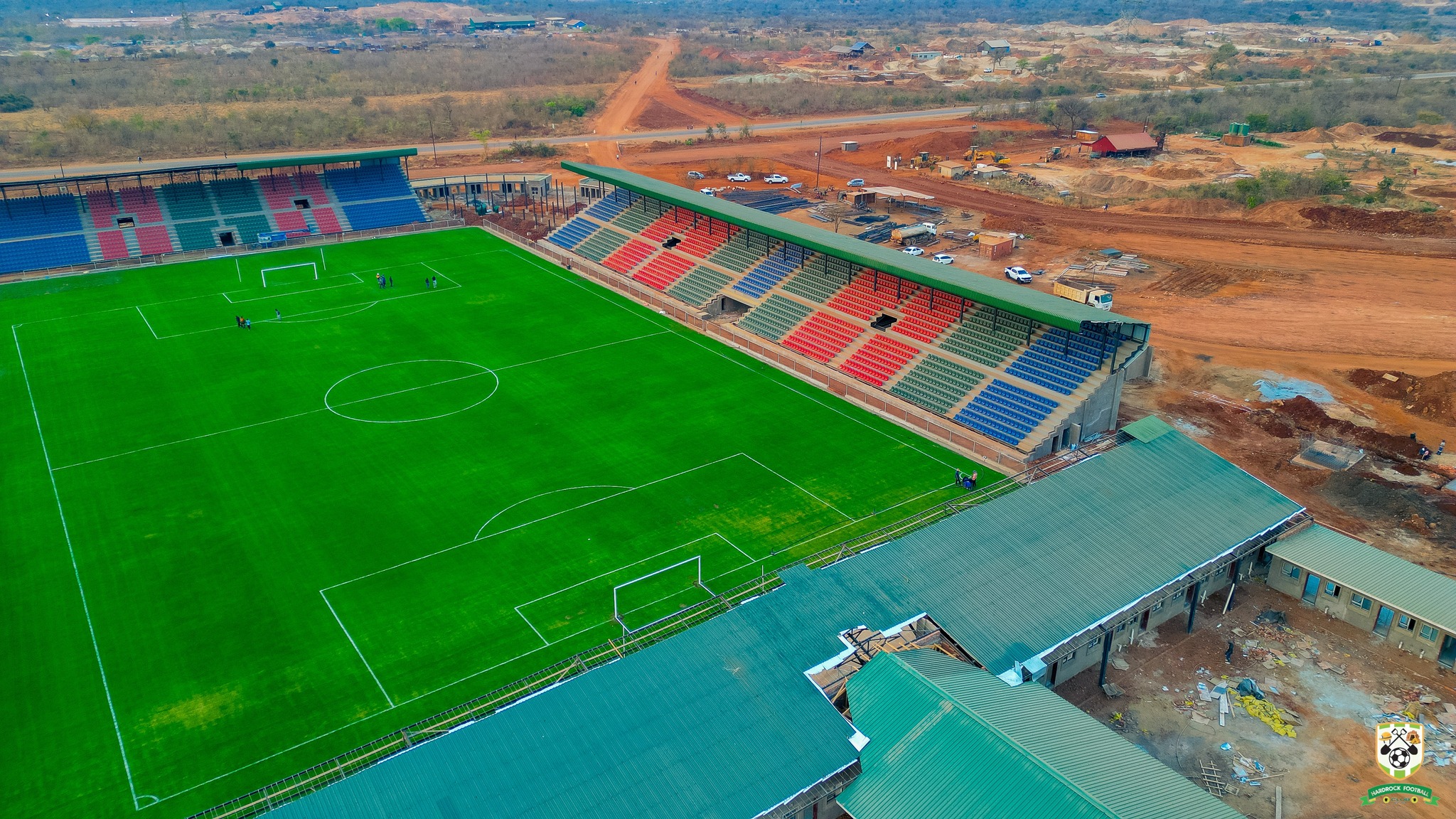
The Zimbabwean government has unveiled a set of proposed tax incentives aimed at encouraging private investment in sport infrastructure, a move officials say is designed to accelerate the refurbishment and construction of stadiums and other public sports facilities. Finance ministry papers and policy briefings discussed with industry stakeholders outline a package of measures that would make work on stadia and associated equipment — from turf and floodlighting to seating and scoreboards — substantially cheaper for corporate investors through accelerated tax deductions and import concessions. Analysts say the package is intended to tackle a chronic problem for Zimbabwean football: a shortage of CAF-approved venues that has forced clubs and national teams to play “home” matches abroad.
Under the framework being promoted, companies that finance the building or upgrading of public sports facilities would be eligible for enhanced capital allowances and customs relief. One frequently cited element of the proposal — highlighted in stakeholder briefings and budget commentary — is an allowance allowing investors to claim a multiple of their outlay as a tax deduction spread over a short, two-year period. In plain terms, that would significantly increase the net tax value of any investment in stadia, bringing private financing within reach for more businesses and public-private partnerships. The Treasury’s investor handbook and related budget documents set out the legal and administrative routes for special initial allowances and duty concessions, which the government says will be tailored for sport infrastructure.
The proposed incentives also include preferential import treatment for specialised stadium equipment. Under current customs rules Zimbabwe already offers targeted duty reliefs for capital equipment in priority sectors; the new sports package would place turf, stadium seating, professional floodlights, electronic scoreboards and other items on a duty-exempt list when imported by accredited projects. Policy makers argue that duty relief is crucial because the local supply chain for high-spec stadia materials is virtually non-existent, meaning most clubs must import at premium cost. Officials say easing customs barriers will shrink project bills and speed up completion times for privately funded stadiums.
The timing of the proposals is significant. Zimbabwe has over the last few years struggled with stadium homologation: the National Sports Stadium in Harare fell foul of CAF standards, and the country has at times had few — if any — venues cleared to host continental fixtures, costing the national association and local clubs significant revenue and home-advantage. Government communications and media coverage have repeatedly linked budget allocations to an urgent programme of refurbishing the National Sports Stadium and other venues, while the Sports and Recreation Commission’s strategic plan has made facility upgrades a central pillar of its agenda. The lack of CAF-grade stadia has pushed clubs and the national side to stage continental and international matches away from home, a situation sports officials say the tax measures aim to reverse.
The incentives have already sparked action in the private sector. A number of clubs and local investors are racing to develop or complete ground projects that would qualify for the new reliefs. Kwekwe-based HardRock FC — backed by local businessman Shepherd Chahwanda and high-profile supporters — has pushed ahead with the so-called Chahwanda (Heart Main) stadium project, which club sources are marketing as a modern 10–15,000-seat venue for the central region. Other clubs and city councils are exploring partnerships with private sponsors and faith-based investors to deliver multi-use stadia that can host football, athletics and entertainment events. Those initiatives, if matched by the government’s incentives, could alter the economics of stadium building in Zimbabwe.
While the broad intention of the policy has been welcomed by club owners and parts of the sporting fraternity, economists and governance groups urge caution. Tax incentives can be powerful but costly tools: if poorly targeted they may simply transfer public revenue to private investors with limited social returns. Civil society commentators point out that previous special allowances and duty waivers in other sectors have sometimes failed to deliver promised employment or long-term maintenance commitments. Experts therefore say the scheme’s design will be critical — for example, tying tax relief to verifiable milestones (construction, seating installed, pitch certified) and to post-completion commitments on community access and stadium maintenance. Treasury documents and the investor handbook stress that incentive claims will require pre-approval and monitoring to prevent abuse.
Beyond the hard economics, sports administrators see a direct competitive benefit. Rehabilitated, CAF-compliant stadia would save Zimbabwean clubs the expense and logistical headache of staging continental matches in neighbouring countries, and could expand local match-day revenues, grassroots programmes and commercial opportunities such as broadcast and sponsorship deals. ZIFA and the Sports and Recreation Commission have lobbied for a quick but accountable roll-out of upgrades, arguing that improved venues would also support youth development, attract regional tournaments and create short-term construction jobs. Parliament’s public record shows sustained interest from local authorities in partnering with central government on multi-use stadium projects.
If enacted, the incentives will be tested by the first wave of projects seeking to use them. The government has given mixed signals on timelines — parts of the National Sports Stadium work were promised in recent budgets — but the combination of taxpayer support for refurbishment and a clearer pathway for private investors represents a policy shift: Ministers are effectively trying to turn a chronic infrastructure weakness into a targeted investment opportunity. Whether that will finally restore a cluster of CAF-approved venues in Zimbabwe will depend on the pace of implementation, the rigour of oversight and whether private builders can mobilise finance quickly enough to meet CAF’s exacting standards. In the short term, however, clubs such as HardRock FC have already demonstrated that local stakeholders are prepared to act; the new incentives could be the nudge that turns ambition into accredited stadia and brings more international football back to Zimbabwean soi