


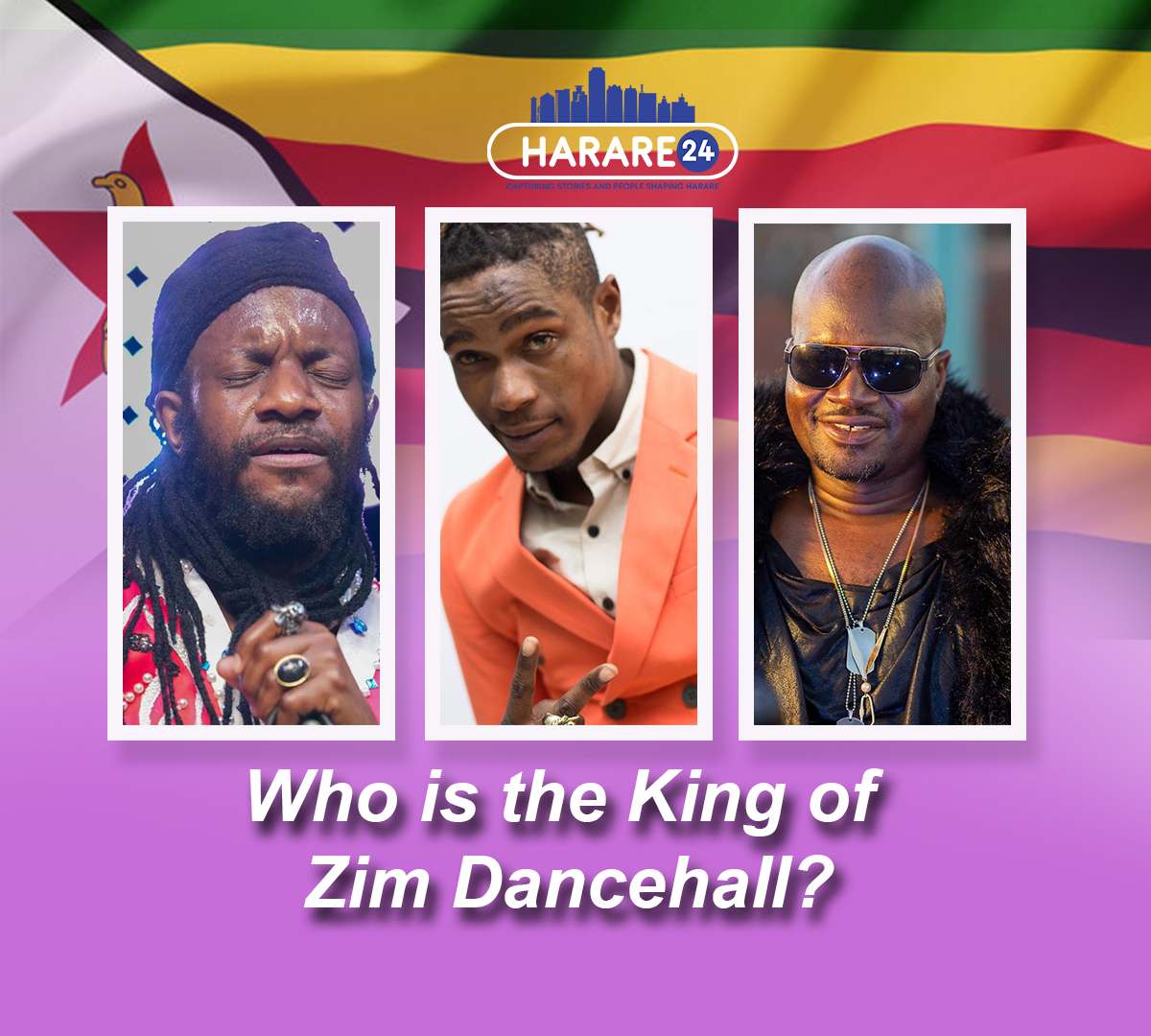
Before the beats got heavier, before the streets of Mbare, Glen View and Budiriro became lyrical battlegrounds, before names like Winky D, Sniper Storm and Soul Jah Love became household legends there was a story. A story rooted in resistance, rhythm, and revolution. To understand who the greatest Zim Dancehall artist of all time is, one must first trace the music’s spiritual DNA, a sound born from rebellion in Jamaica, nurtured in the ghettos of Harare, and baptized in the fires of Zimbabwe’s own struggle for identity.
From Reggae to Ragga: The Jamaican Influence
Zim Dancehall didn’t just appear; it evolved. Its ancestor, Reggae, emerged in the late 1960s Jamaica as the soundtrack of struggle, faith, and freedom. Reggae’s heartbeat was Rastafari, a movement that preached self-liberation, African consciousness, and resistance to oppression. From this came Ragga, a faster, more urban, and electronic offshoot characterized by rough digital beats, rapid-fire delivery, and raw energy.
Reggae icons like Peter Tosh, Burning Spear, and the immortal Bob Marley spoke directly to the African soul, their messages resonating deeply across colonial Africa, including Southern Rhodesia (now Zimbabwe). Songs like “Get Up, Stand Up,” “Equal Rights,” and “Africa Unite” became more than music; they were liberation anthems.
Colonial Resistance and the Sound of Freedom
During the 1960s and 70s, when black Zimbabweans were still under the yoke of white minority rule, the airwaves carried whispers of rebellion through Jamaican music. The youth, living under curfews and surveillance, found solace and strength in the lyrics of Tosh, Marley, and Jimmy Cliff.
Bob Marley’s “Zimbabwe” became prophetic, a song written even before the country’s liberation, declaring, “Every man gotta right to decide his own destiny.” It was a message so powerful that when independence finally arrived, one of Zimbabwe’s most outspoken nationalists and liberation figures, Edgar Tekere, insisted that Bob Marley perform live at the birth of the new nation.
On April 18, 1980, under the night sky at Rufaro Stadium, Marley’s voice rang out as Zimbabwe’s flag was hoisted for the first time. The rhythm of revolution became the rhythm of a nation.
Zimbabwe Becomes a Reggae Nation
After independence, reggae became the unofficial heartbeat of Zimbabwe. It wasn’t just music; it was a mindset, a symbol of black pride and post-colonial identity. Radios and backyard sound systems across Harare, Mutare, and Bulawayo throbbed with Shabba Ranks, Buju Banton, Cutty Ranks, and Beenie Man.
These Jamaican stars represented a new era: less militant but more streetwise, more energetic, and more relatable to urban African youth. Ragga, as it came to be called, introduced the idea of “riddims” shared beats over which multiple artists could compete for lyrical supremacy. In Jamaica, this spawned rivalries, alliances, and “sound-clash” culture, a raw, competitive form of performance where crews faced off to prove lyrical dominance.
Sound-Clash Culture Comes to Harare
By the early 1990s, Harare’s high-density suburbs, Mbare, Glen View, Budiriro, Glen Norah, and Highfield had absorbed this competitive energy. Youths built makeshift studios, speakers, and microphones, and “sound systems” became the ghetto’s version of nightclubs.
Legendary local MCs like Booker T, Major E, Mad Minnox, and Jackie B ruled these spaces. Their lyrical battles, often hosted by sound systems like Silverstone and Stereo One, set the template for what would later become Zim Dancehall.
Venues like City Sports Centre, Waterwhirld, and local municipal halls in Glen View and Mufakose became sacred grounds for these “cup clashes.” These were more than shows, they were gladiator arenas for wordsmiths and selectors. The crowd’s roar decided who ruled the mic.
The Roots Deepen — And Ras Jabu Arrives
As the movement matured, so did its influences. The arrival of repatriated Jamaicans, among them Trevor Hall, better known as Ras Jabu, added authenticity and mentorship. Ras Jabu and others fused Jamaican techniques with Shona street slang and urban Zimbabwean experiences. What emerged was a new sound, unmistakably local but undeniably Caribbean in spirit.
This period marked the birth of the Zim Dancehall movement, a subculture built on ghetto storytelling, youthful defiance, and a hunger to be heard. The beats were rougher, the lyrics grittier, and the energy uncontainable.
A Movement Was Born
What started as imitation became innovation. The ghetto youths of Harare had taken the blueprint of reggae and ragga and re-engineered it into something distinctly Zimbabwean. It was more than just music, it was a social rebellion, an identity, and a platform for the voiceless.
This was the beginning of a cultural explosion that would, decades later, produce some of Zimbabwe’s most iconic musical figures artists whose words, rhythms, and rivalries would dominate the airwaves, the clubs, and the streets.
But that’s a story for Part Two where we trace how Zim Dancehall rose from these humble ghetto roots into a national force, birthing modern legends and sparking the timeless debate: Who is the greatest Zim Dancehall artist of all time?