


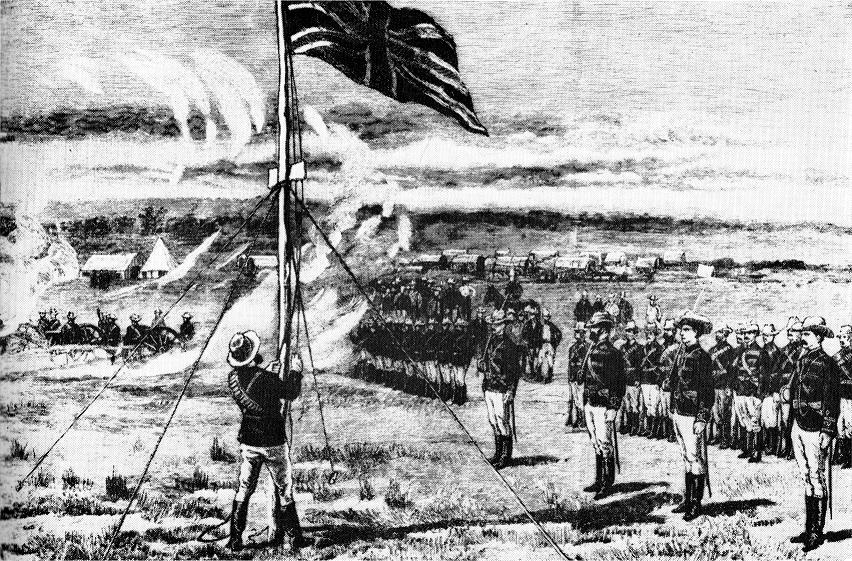
Harare’s story begins on a rocky kopje where, on 12 September 1890, the British South Africa Company’s Pioneer Column raised a flag and laid down the vestiges of what became Fort Salisbury — the seed of today’s capital. That act of annexation, led under Cecil Rhodes’s banner, turned a rural Mashonaland landscape into an imperial administrative outpost almost overnight.
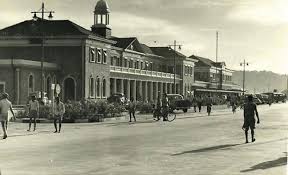
In those first decades the settlement grew as a colonial hub: a grid of streets, government offices and settler homes rising around the kopje and the new fort. The early years were not peaceful. The 1896–97 uprisings — often called the First Chimurenga — saw Shona and Ndebele resistance collide with the newcomers, leaving scars on the land and reshaping settler–African relations for generations.
By the mid-20th century Salisbury (as it was then known) had evolved into a regional city: rail links, busy markets, and a growing civic life. It became a municipality in the 1890s and later a city in the 1930s, with districts that still carry echoes of those eras — the kopje’s old colonial buildings, the tree-lined avenues, and the market precincts where trade never stopped.
Independence transformed the city’s meaning. In 1980 Zimbabwe threw off colonial rule, and two years later the capital shed its colonial name: on 18 April 1982 Salisbury officially became Harare, adopting a form of a local chief’s name (Neharawa/Harare) as part of a wider renaming that reclaimed symbols of identity. The change marked a deliberate cultural and political shift — a move from imperial address to a national capital for a newly sovereign state.
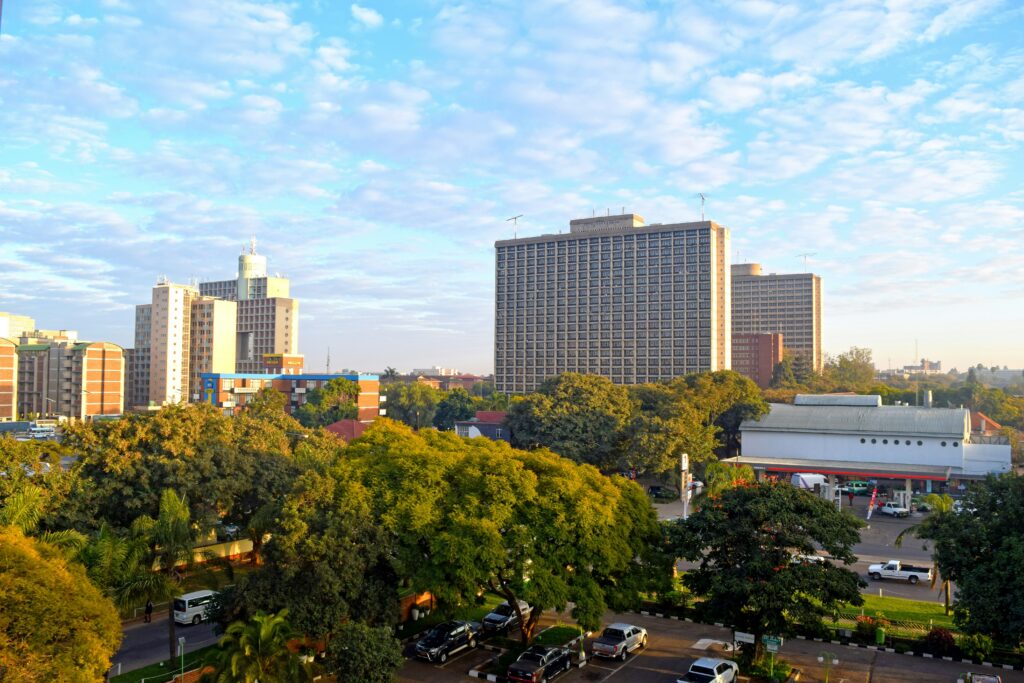
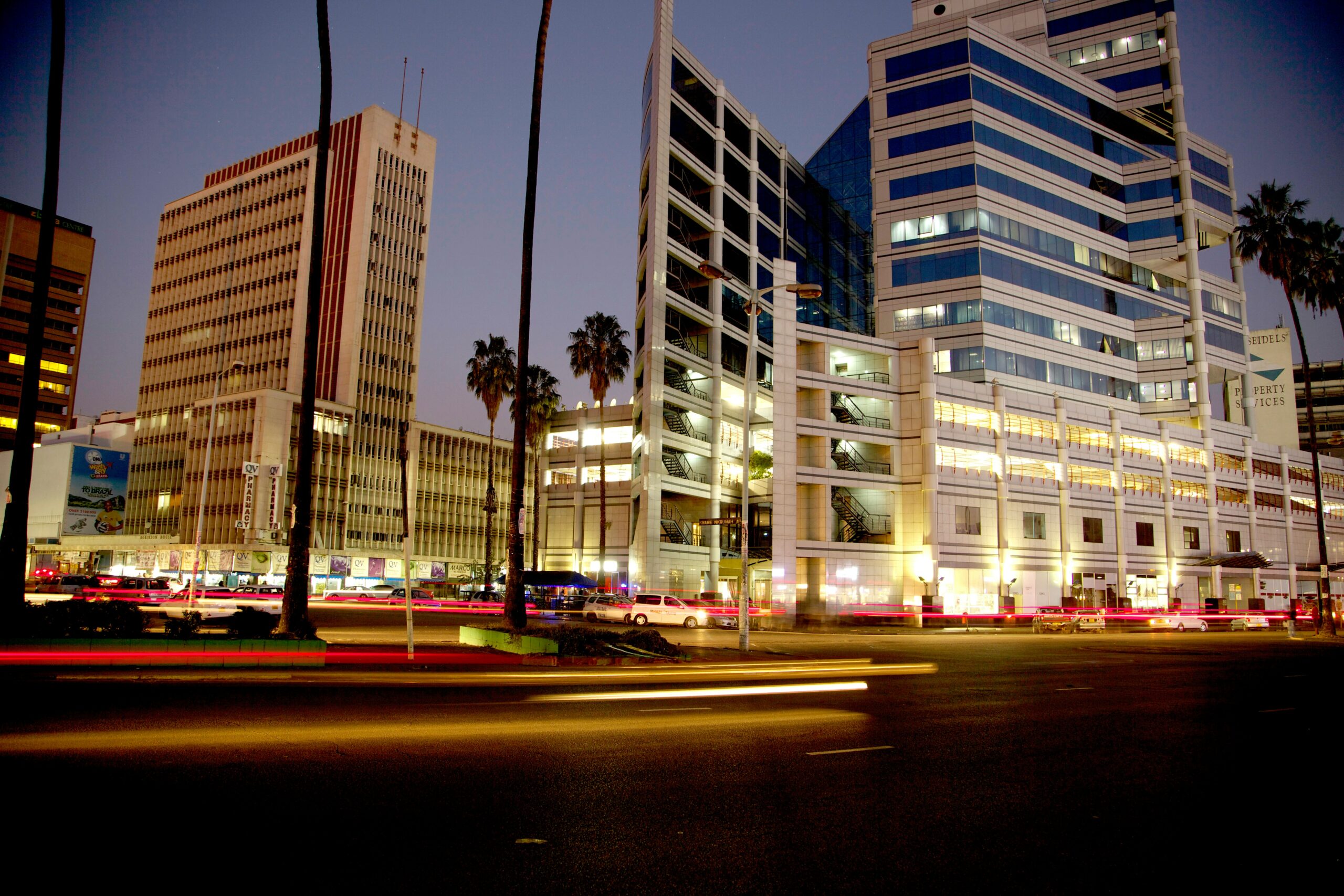
The decades since independence have been a study in contrasts. Harare continued to expand — growing into a metropolitan centre of commerce, government and culture — but it has also struggled with economic and infrastructural challenges. Land reform, hyperinflation in the 2000s, and governance strains reshaped urban life: informal settlements grew at the edges while central business areas alternated between boom and long, slow decline. By 2025 the city’s metro population was estimated at roughly 1.63 million, making it Zimbabwe’s largest urban centre and a magnet for opportunities and problems alike.
One of the most visible, persistent issues has been water and sanitation. Harare relies on reservoirs such as Lake Chivero and aging treatment plants; pollution, sedimentation and decaying infrastructure have repeatedly pushed the city into crisis. Recent reporting through the early 2020s documented dangerous contamination, wildlife kills in the lake and ongoing service interruptions — stark reminders that colonial-era systems require sustained investment and political will to serve a modern metropolis.
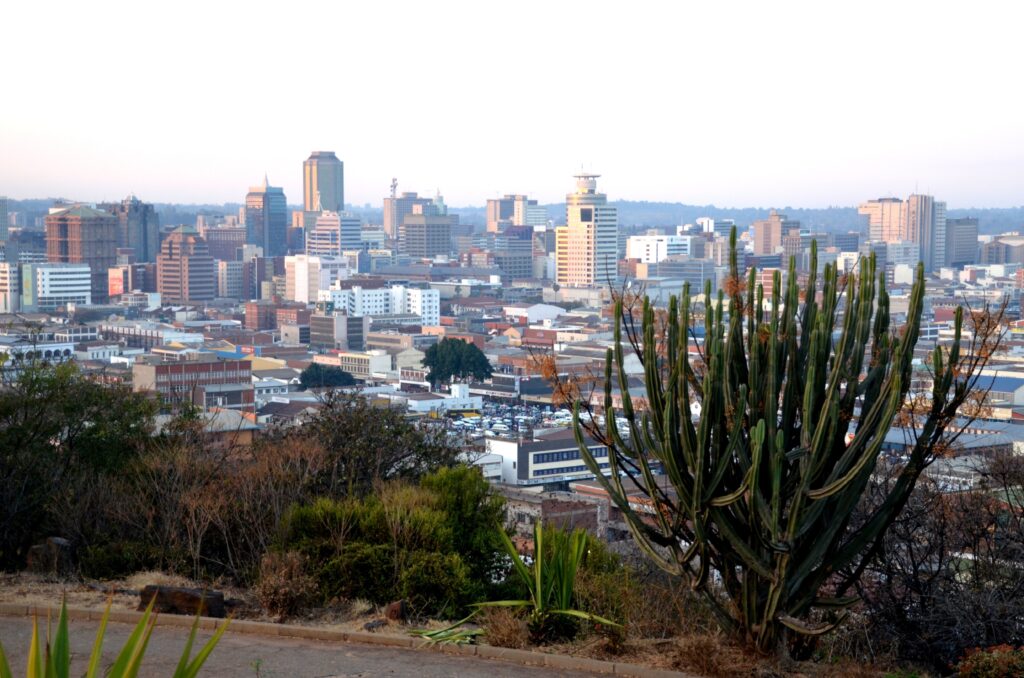
Yet Harare remains a city of resilience and reinvention. From jazz nights and contemporary galleries to street markets and small tech startups, its cultural energy endures. The jagged skyline, jacaranda-lined avenues and the kopje’s historic silhouette are living proof: Harare is at once a city born of conquest and a capital that has been continuously remade by its people.